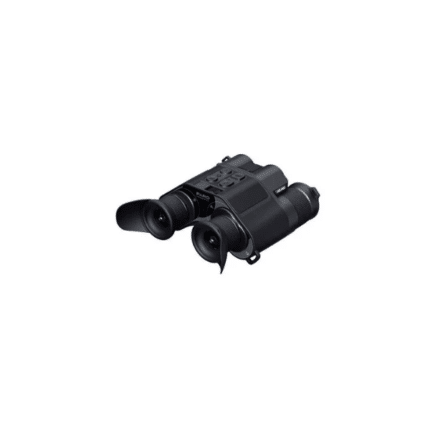


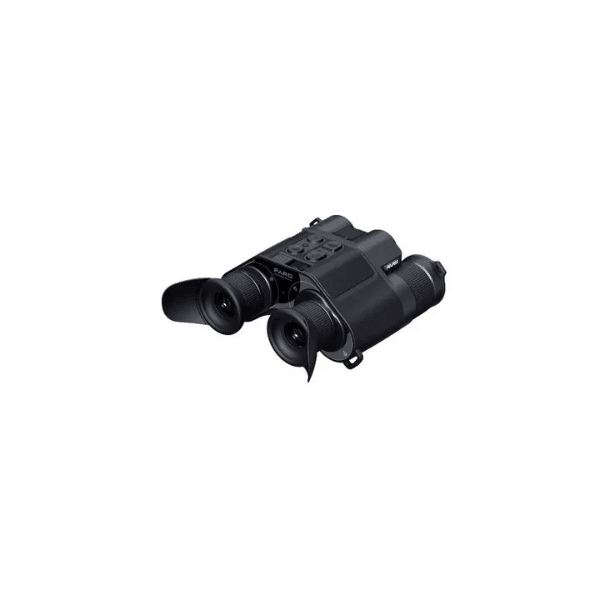
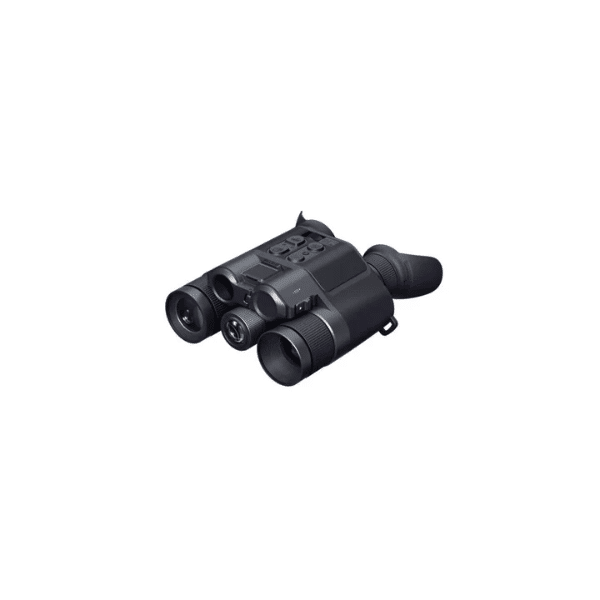
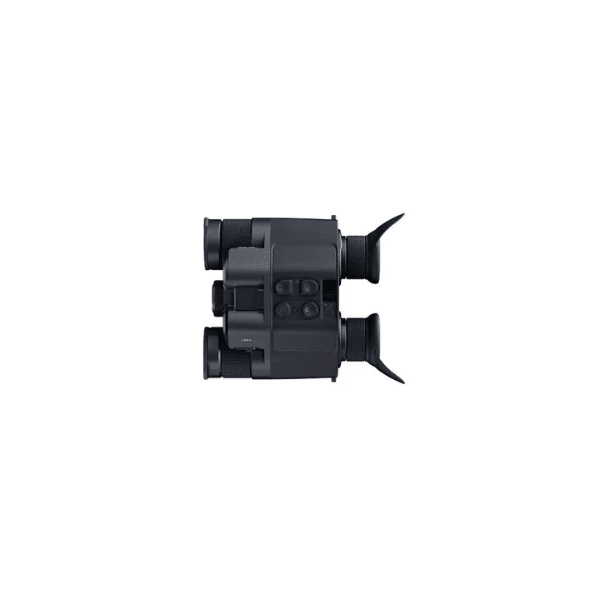

PARD Osprey 4K Multispectral Binoculars LRF | 35/50 mm | 850/940 nm IR | OS4-35/50LRF
R30,000.00
PARD Osprey 4K Multispectral Binoculars LRF
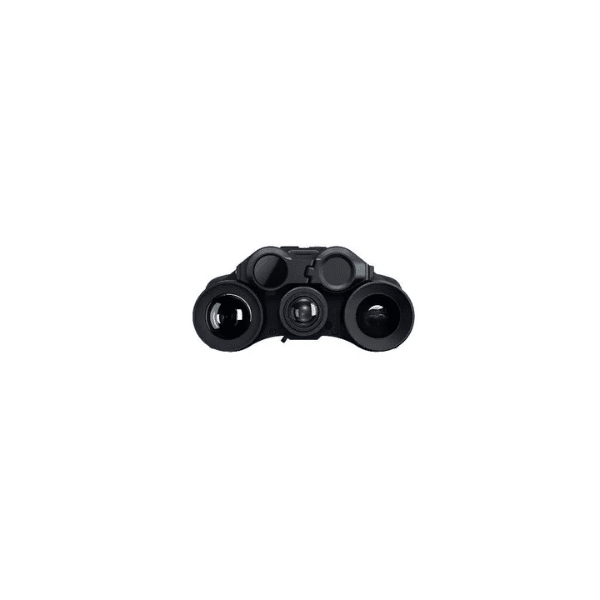
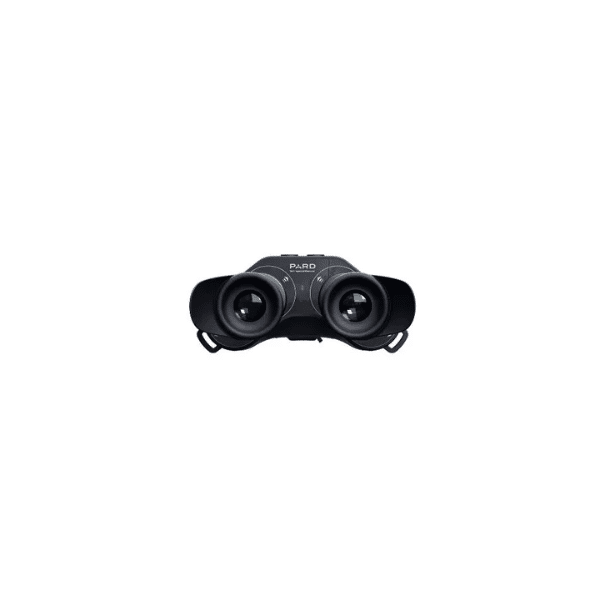
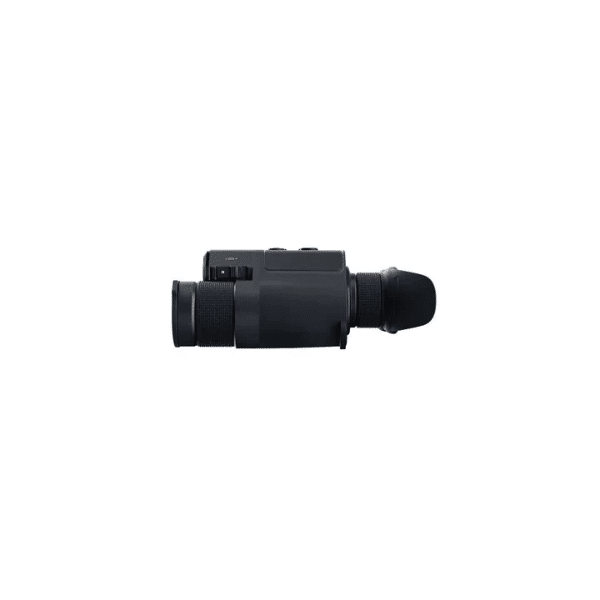
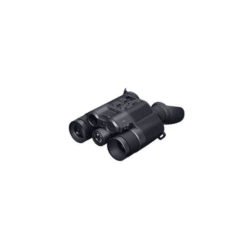
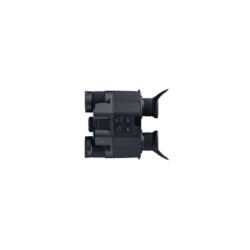
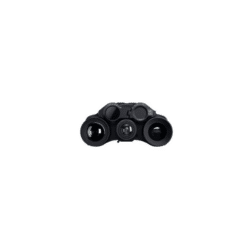
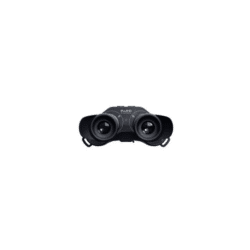
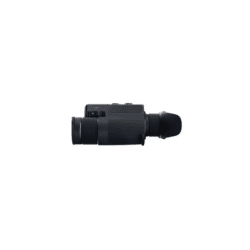
The PARD Osprey 4K Multispectral Binoculars LRF combine thermal imaging, true 4K digital day and night vision, infrared illumination and laser rangefinding in one advanced observation platform.
This 35/50 mm configuration uses a 384 × 288 thermal sensor with a 35 mm thermal lens, together with a 3840 × 2160 4K digital sensor and 50 mm day/night lens. This allows you to locate heat sources quickly with the thermal channel, then switch to the detailed digital channel when you want clearer visual identification.
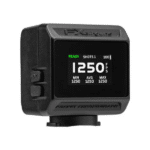
An integrated laser rangefinder measures distances up to approximately 1,000 metres, while dual Full HD OLED displays provide a natural binocular viewing experience.
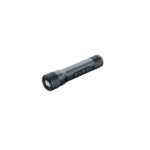
The Osprey 4K also uses a detachable infrared illuminator, with the buyer able to choose between an 850 nm or 940 nm IR option.
Choose Your IR Illuminator
The PARD Osprey 4K is available with your choice of:
- 850 nm IR Illuminator
- 940 nm IR Illuminator
Both options use the same detachable IR illuminator system and can provide infrared illumination over distances of up to approximately 350 metres, but the two wavelengths are designed for slightly different types of night observation.
850 nm vs 940 nm – Which Should You Choose?
The main difference between 850 nm and 940 nm infrared illumination is the balance between maximum night-vision performance and concealment.
Neither option is universally better, so the best choice depends on how and where you plan to use the Osprey 4K.
Choose 850 nm for Maximum Visibility and Range
The 850 nm IR illuminator is the better choice when image brightness, clarity and longer-range performance are your main priorities.
Digital night-vision sensors are generally more responsive to 850 nm infrared light, which allows the Osprey to produce a stronger and clearer night-vision image at greater distances.
This makes the 850 nm option particularly useful for:
- Long-range wildlife observation
- Open fields and larger outdoor areas
- General night observation
- Security and surveillance where maximum range is important
- Situations where the strongest possible night-vision image is preferred
The trade-off is that an 850 nm IR illuminator can produce a very faint red glow at the light source when viewed directly.
This glow is small, but it means the illuminator is not completely invisible at close range.
Choose 940 nm for Maximum Concealment
The 940 nm IR illuminator is designed for situations where discreet observation is more important than achieving the greatest possible range.
Its infrared output is much less visible to the human eye, which makes it better suited to situations where you want to reduce the chance of the illuminator being noticed.
This makes the 940 nm option particularly useful for:
- Discreet wildlife observation
- Observing easily disturbed or cautious animals
- Security and surveillance
- Close-to-medium-range observation
- Situations where a visible red glow is undesirable
Because digital sensors are generally less sensitive to 940 nm infrared light, the image may appear slightly darker and the practical night-vision range may be shorter than with the 850 nm version under the same conditions.
Quick Comparison
| Feature | 850 nm IR | 940 nm IR |
|---|---|---|
| Image Brightness | Higher | Lower |
| Practical Range | Longer | Shorter |
| Image Detail | Generally Better at Distance | Best at closer ranges |
| Visible Red Glow | Slight red glow may be visible | Virtually invisible |
| Concealment | Good | Best |
| Long-Range Observation | Recommended | Usable, but less effective |
| Discreet Observation | Good | Recommended |
| Wildlife Observation | Excellent for range | Excellent for easily disturbed animals |
| General Night Vision | Recommended | Recommended when stealth matters most |
Simple Recommendation
Choose 850 nm if you want the brightest image, strongest performance and longest practical night-vision range.
Choose 940 nm if you want maximum concealment and are willing to trade some image brightness and range for a more discreet infrared source.
For most general-purpose night observation, 850 nm will give the strongest overall performance. The 940 nm option is the better choice when remaining unnoticed is more important than maximum distance.
Detachable IR Illuminator
Unlike a permanently built-in IR source, the Osprey 4K uses a detachable infrared illuminator.
This allows the binoculars to be used without the IR module when it is not required, helping reduce unnecessary weight during daytime or thermal-only observation.
The adjustable IR head also allows the beam to be aligned with the observation area, with PARD specifying IR illumination over distances of up to approximately 350 metres.
The available wavelengths are:
- 850 nm – Brighter image and longer practical range
- 940 nm – More discreet infrared illumination
Simply select your preferred IR wavelength before adding the Osprey 4K to your basket.
Thermal and 4K Digital Imaging
The Osprey 4K combines two different observation technologies in one device.
The thermal channel uses a 384 × 288 uncooled VOx sensor with a 12 µm pixel pitch and NETD of ≤15 mK. This makes it possible to detect temperature differences and locate animals, people and other heat sources even when normal visible-light conditions are poor.
Once a heat source has been located, the digital channel can provide additional visual detail through its 3840 × 2160 4K CMOS sensor.
This combination allows the Osprey to handle detection, identification and observation without requiring several separate devices.
35 mm Thermal Lens
The thermal channel uses a 35 mm objective lens with magnification from approximately 4× to 16×.
PARD lists a thermal detection distance of up to approximately 1,800 metres, giving the Osprey useful long-range detection capability.
Its thermal sensitivity of ≤15 mK also helps reveal smaller temperature differences and improves image detail in difficult conditions.
50 mm 4K Day and Night Vision
The digital channel combines a 50 mm objective lens with a 3840 × 2160 sensor and low-light sensitivity down to approximately 0.001 lux.
Digital magnification ranges from approximately 5.6× to 22.4×, allowing closer inspection once a subject has been located.
Optical Image Stabilisation helps steady the digital image during handheld observation and recording.
Integrated 1,000 Metre Laser Rangefinder
A built-in laser rangefinder allows distances to be measured without changing devices.
The LRF is rated for distances of up to approximately 1,000 metres, making it useful when accurate range information is required during observation.
You can therefore locate a subject thermally, identify it through the 4K digital channel, and then measure its distance using the same binocular platform.
Dual Full HD OLED Displays
The Osprey uses dual 1920 × 1080 OLED displays, allowing both eyes to view the image rather than relying on a single monocular display.
This provides a more natural viewing experience and can improve comfort during longer observation sessions.
The interpupillary distance can be adjusted from approximately 55 to 74 mm, while diopter adjustment allows the eyepieces to be matched more closely to the individual user.
Recording and Connectivity
The Osprey 4K can capture both photos and video, allowing important observations to be recorded directly through the device.
It supports:
- Photo recording
- Video recording
- Loop recording
- Built-in microphone
- Picture-in-picture
- Wi-Fi
- PARD Vision2 app
- Micro SD cards up to 128 GB
Wi-Fi connectivity also allows the device to connect to a compatible smartphone through the PARD Vision2 application.
Power and Runtime
The Osprey is powered by 1 × rechargeable 21700 lithium-ion battery.
Maximum operating time is approximately 4.5 hours, although actual runtime will depend on functions such as Wi-Fi, recording, display brightness, IR illumination and environmental conditions.
External power can also be supplied through the USB Type-C connection.
IP67 Outdoor Protection
The Osprey carries an IP67 protection rating, giving it strong resistance to dust and water during outdoor use.
Its aluminium-alloy and composite housing is designed for regular field observation, while the compact binocular format makes it easier to carry during longer periods outdoors.
Product Features
- Multispectral thermal and 4K digital binocular system
- 384 × 288 thermal sensor
- 12 µm thermal pixel pitch
- NETD ≤15 mK
- 35 mm thermal objective lens
- Thermal detection distance up to approximately 1,800 m
- 3840 × 2160 4K digital sensor
- 50 mm digital day/night objective lens
- Optical Image Stabilisation
- Detachable IR illuminator
- Choice of 850 nm or 940 nm IR
- 850 nm for higher visibility and longer practical range
- 940 nm for more discreet observation
- Adjustable IR beam
- IR illumination up to approximately 350 m
- Dual 1920 × 1080 OLED displays
- Integrated laser rangefinder
- LRF range up to approximately 1,000 m
- Picture-in-picture
- Hot tracking
- Gyroscope
- Electronic compass
- Photo and video recording
- Built-in microphone
- Wi-Fi connectivity
- PARD Vision2 app support
- Micro SD support up to 128 GB
- Rechargeable 21700 Li-ion battery
- USB Type-C external power
- IP67 protection
Specifications
- Brand: PARD
- Model: Osprey 4K
- Model Code: OS4-35/50LRF
- Product Type: Multispectral Binoculars
- Thermal Sensor Type: Uncooled VOx
- Thermal Resolution: 384 × 288
- Thermal Pixel Size: 12 µm
- NETD: ≤15 mK
- Thermal Frame Rate: 50 Hz
- Thermal Lens: 35 mm
- Thermal Magnification: 4×–16×
- Thermal Detection Distance: Up to 1,800 m
- Visible Sensor: CMOS
- Visible Sensor Resolution: 3840 × 2160
- Visible Sensor Pixel Size: 2 µm
- Sensitivity: 0.001 lux
- Visible Frame Rate: 50 Hz
- Visible Lens: 50 mm
- Visible Magnification: 5.6×–22.4×
- IR Illuminator: Detachable / Removable
- IR Wavelength: 850 nm or 940 nm
- IR Illumination Distance: Up to approx. 350 m
- Display Type: Dual OLED
- Display Resolution: 1920 × 1080
- Interpupillary Distance: 55–74 mm
- Diopter Adjustment: -5 to +5 D
- Eye Relief: 18 mm
- LRF: Yes
- LRF Range: Up to 1,000 m
- Picture-in-Picture: Yes
- Gyroscope: Yes
- E-Compass: Yes
- OIS: Yes
- Wi-Fi: Yes
- App: PARD Vision2
- Storage: Micro SD up to 128 GB
- Battery: 1 × 21700 Li-ion
- Runtime: Up to 4.5 Hours
- External Power: USB Type-C
- IP Rating: IP67
- Operating Temperature: -30 °C to +55 °C
- Dimensions: 160 × 146 × 65 mm
- Housing: Aluminium Alloy / AL6061 / Composite
Package Configuration
Your Osprey 4K package includes the detachable infrared illuminator in the wavelength selected when ordering.
Choose:
- 850 nm IR
- 940 nm IR
The selected IR module is removable, allowing the binoculars to be used without the illuminator whenever it is not needed.
Care and Maintenance
Keep the thermal and digital objective lenses clean and free from dust, moisture and fingerprints. Use a soft optical lens cloth and avoid abrasive cleaning products that could damage the lens coatings.
Keep the USB-C port, battery contacts, Micro SD slot and IR connection clean and dry, while the detachable IR module should be removed carefully whenever it is not required.
Remove the battery if the binoculars will be stored for a long period, and keep the device in a protective case when it is not in use.
Only use suitable PARD accessories, batteries and firmware with the device.
Manufacturer Information
The Osprey 4K is manufactured by PARD, a specialist manufacturer of digital night vision and thermal imaging equipment.
Visit the official PARD website for additional product information, support and firmware.
You can also browse Dye-Hard’s PARD Night Vision & Thermal Scopes range for more PARD thermal and night-vision products.
Conclusion
The PARD Osprey 4K OS4-35/50LRF combines thermal detection, true 4K day and night imaging, infrared illumination and laser rangefinding in one compact binocular platform.
Its 384 × 288 thermal sensor provides long-range heat detection, while the 50 mm 4K digital channel gives you the detail needed for clearer identification. The integrated 1,000 metre LRF, dual Full HD OLED displays, recording functions and wireless connectivity add even more capability.
With the choice of a detachable 850 nm or 940 nm IR illuminator, you can configure the Osprey around the way you intend to use it. Choose 850 nm when maximum night-vision performance and longer range are the priority, or select 940 nm when discreet observation is more important.
Frequently Asked Questions
Can I choose between 850 nm and 940 nm IR?
Yes. Select either an 850 nm or 940 nm detachable infrared illuminator when ordering.
What is the main difference between 850 nm and 940 nm?
The 850 nm option generally provides a brighter night-vision image and better practical range, while the 940 nm option provides better concealment with much less visible glow.
Which IR option should I choose for maximum range?
Choose 850 nm when image brightness, detail and longer-range night observation are your main priorities.
Which IR option should I choose for discreet observation?
Choose 940 nm when reducing the visible signature of the infrared illuminator is more important than achieving the greatest possible range.
Can the IR illuminator be removed?
Yes. The Osprey 4K uses a detachable IR illuminator, allowing the device to be used without the IR module when infrared assistance is not required.
| Brand | Pard |
|---|---|
| Colour | Black |
| Product Type | PARD Night Vision & Thermal Scopes, Scopes & Optics |
| Model | PARD Osprey 4K |
| Display | Dual OLED |
| LRF | Yes |
| Battery | 21700 Li-ion |
| IP Rating | IP67 |
| Sensitivity | 0.001 lux |
| Display Resolution | 1920 × 1080 |
| PIP | Yes |
| Wi-Fi | Yes |
| Storage | Micro SD up to 128 GB |
| Runtime | Up to 4.5 Hours |
| Dimensions | 160 × 146 × 65 mm |
| Thermal Sensor | 384 × 288 |
| Thermal Pixel Size | 12 µm |
| NETD | ≤15 mK |
| Thermal Lens | 35 mm |
| Thermal Magnification | 4×–16× |
| Thermal Detection Distance | Up to 1800 m |
| Digital Sensor | 3840 × 2160 |
| Visible Lens | 50 mm |
| Digital Magnification | 50 mm |
| Gyroscope | Yes |
| E-Compass | Yes |
| OIS | Yes |
| IR Wavelength | 850 nm, 940 nm |
| IR Adjustment | Adjustable |
| LRF Range | Up to 1,000 m |
PARD
PARD is an optics brand known for night vision, thermal imaging and multi-spectral devices.
The range includes night vision scopes, clip-on units, thermal scopes, monoculars and binoculars. PARD also makes accessories for many of its devices.
PARD products are made for users who need better vision in low light or complete darkness. Different models are designed for hunting, shooting, outdoor use and security work.
The night vision range includes digital scopes and clip-on units. These allow users to see more clearly after dark while keeping a compact setup.
PARD also offers thermal imaging products. Thermal devices detect heat rather than visible light. This can make it easier to find animals or other heat sources in dark or difficult conditions.
Some PARD products combine more than one imaging system. These multi-spectral models can offer both thermal and night vision in one device.
Dye-Hard Paintball stocks selected PARD products in South Africa. Our range includes night vision, thermal optics and related accessories.
Browse our PARD Night Vision & Thermal Scopes range to view available PARD products.
For more information about the brand and its current range, visit the PARD official website.